Creating a Pure & Simple Interior for Your Home
Feb 2, 2023
8 min read
Updated: Jul 30
In a world that often feels loud, chaotic, and overwhelming, our homes have become sanctuaries—places where we can escape, recharge, and find peace. It is no wonder that more and more people are turning away from bold, busy interiors and embracing a simpler, more considered approach to design.
As an antidote to the bright and the brash, the pared-back and simple interior style is all about living slower with a calming colour palette and rustic, natural elements. Clutter is banished, and the pieces that remain on view are carefully considered, crafted from natural materials with sumptuous tactile qualities. This design ethos embraces functionality and clean lines. The design is kept pared back because creating visual calm helps to create emotional calm. In this guide, we will walk you through the essential elements of achieving this timeless aesthetic, offering living room inspiration, bedroom ideas, and practical advice for every corner of your home.

How to Create a Pure & Simple Interior
Understanding the Philosophy: Form Meets Function
At its heart, a pure and simple interior design is about more than just aesthetics—it is a lifestyle choice. It is about consciously curating your environment to support a calmer, more intentional way of living.
A key aspect of this design philosophy is that of form and function. Every item in the room should serve a purpose. If it doesn't, it becomes clutter, and clutter is the enemy of calm. Space is used efficiently, often with the help of numerous innovative and functional furniture designs. Think of pieces that offer hidden storage, modular seating that adapts to your needs, or slim-profile shelving that maximises vertical space without overwhelming the room.
Crucially, furniture pieces should be made to last rather than be replaced. This is a commitment to sustainability and quality over the disposable, fast-fashion approach to interiors. When you invest in well-made pieces, they develop a patina and a story over time, adding depth and character to your minimal home design.
A key aspect of a pure & simple design is that of form and function.
Space is used as efficiently with the use of numerous innovating and functional furniture designs.
Furniture pieces should be made to last rather than be replaced.
Keep furniture lines clean, with smooth rounded edges associated with mid-century modern design work well when creating a pure and simple interior.
Declutter and get rid of any objects that you don't require.


The Power of Clean Lines
When creating a pure and simple interior for bedroom or living spaces, the silhouette of your furniture is paramount. Keep furniture lines clean and uncomplicated. Smooth, rounded edges, often associated with mid-century modern design, work exceptionally well. They soften the overall look and make the space feel welcoming rather than stark.
Avoid heavy, ornate detailing or bulky silhouettes that can make a room feel cramped. Instead, look for legs that lift furniture off the floor, creating a sense of airiness and space. This is a hallmark of modern interior design and is particularly effective in smaller apartments. By letting the floor space breathe, you instantly make the room feel larger and more open.

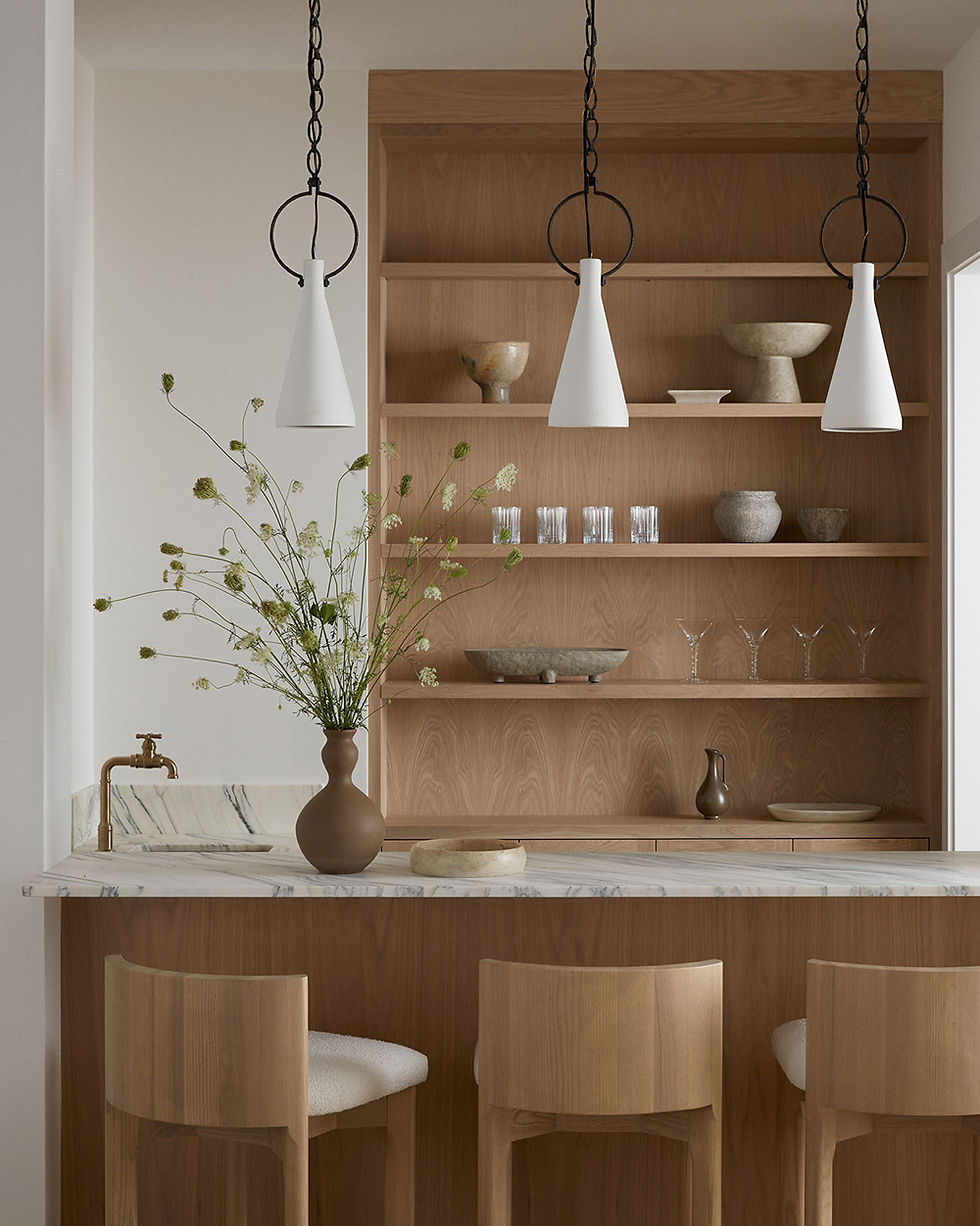
Declutter: The First Step to Simplicity
Before you even think about paint colours or furniture, you must declutter. This is the single most transformative step you can take. Get rid of any objects that you don't require, use, or love.
This process can be challenging, but it is also deeply liberating. Ask yourself of each item: "Does this add value to my life? Does it bring me joy? Does it serve a practical purpose?" If the answer is no, it is time to let it go. Donate, sell, or recycle these items. What remains will be the curated collection that truly reflects your personality and lifestyle. This act of simplification is the foundation upon which simple interiors are built.
POSTS RELATED TO CREATING A PURE & SIMPLE INTERIOR:
Materiality: Wood, Metal, and Texture
A pure and simple interior relies heavily on the beauty of natural materials. These elements ground the space and bring a sense of the outdoors inside, an approach often seen in earthy interiors and modern organic interiors.
Wood
Natural hardwood tones bring a sense of warmth and texture to the space. Whether it is a wide-plank oak floor, a walnut coffee table, or a simple ash shelving unit, wood adds an organic, grounding presence. The grain and knots of the wood provide natural visual interest without the need for artificial pattern or colour. This is a staple of minimalist home design.
Metal
It is also popular to bring in metallic finishes in lighting and accent pieces. Brushed brass, matte black, and polished chrome can add a subtle sheen and a touch of sophistication. However, balance is key. In a pure and simple interior design, metal should be used sparingly—a floor lamp here, a picture frame there. Big, clean light fixtures are the favoured way to bring some shine into the space, offering both functionality and a sculptural quality.


The Neutral Colour Palette
In addition to wood and metallics, the main colour palette of a pure and simple interior is neutral whites, greys, and beiges. This is the backbone of simple interior design, creating a clean, calming appearance that is in line with the idea of being in harmony with your environment.
Muted colours like dusty pink and seafoam green have also gained traction as the "pop" of colour. These shades are subtle enough to maintain the serene atmosphere while adding just a hint of personality. Walls are usually kept white, but any neutral colour on the walls will still allow you to achieve the desired look. The neutral colour palette helps maintain a clean, calming appearance in the space that's in line with the idea of being in harmony with your environment—a core part of a pure and simple design philosophy.
For living room inspiration, consider a soft greige on the walls paired with a slightly darker beige on the sofa and pure white accents. This layering of neutrals creates depth without clutter.


Bedroom Simplicity: Applying the Principles
When translating these ideas to the bedroom, the goal is to create a restful sanctuary. For a simple interior for bedroom spaces, start with the bed itself. Choose a low-profile frame with clean lines. Dress the bed in high-quality linens in neutral tones—think creamy whites, soft greys, or muted beiges.
Keep bedside tables minimal. A single lamp, a ceramic vessel, and a good book are all you need. Resist the urge to fill the room with unnecessary furniture. A simple bench at the foot of the bed or a single piece of wall decor inspiration in the form of a large-scale botanical print can be all that is required. The focus should always be on rest and relaxation, with no visual noise to disturb your sleep.
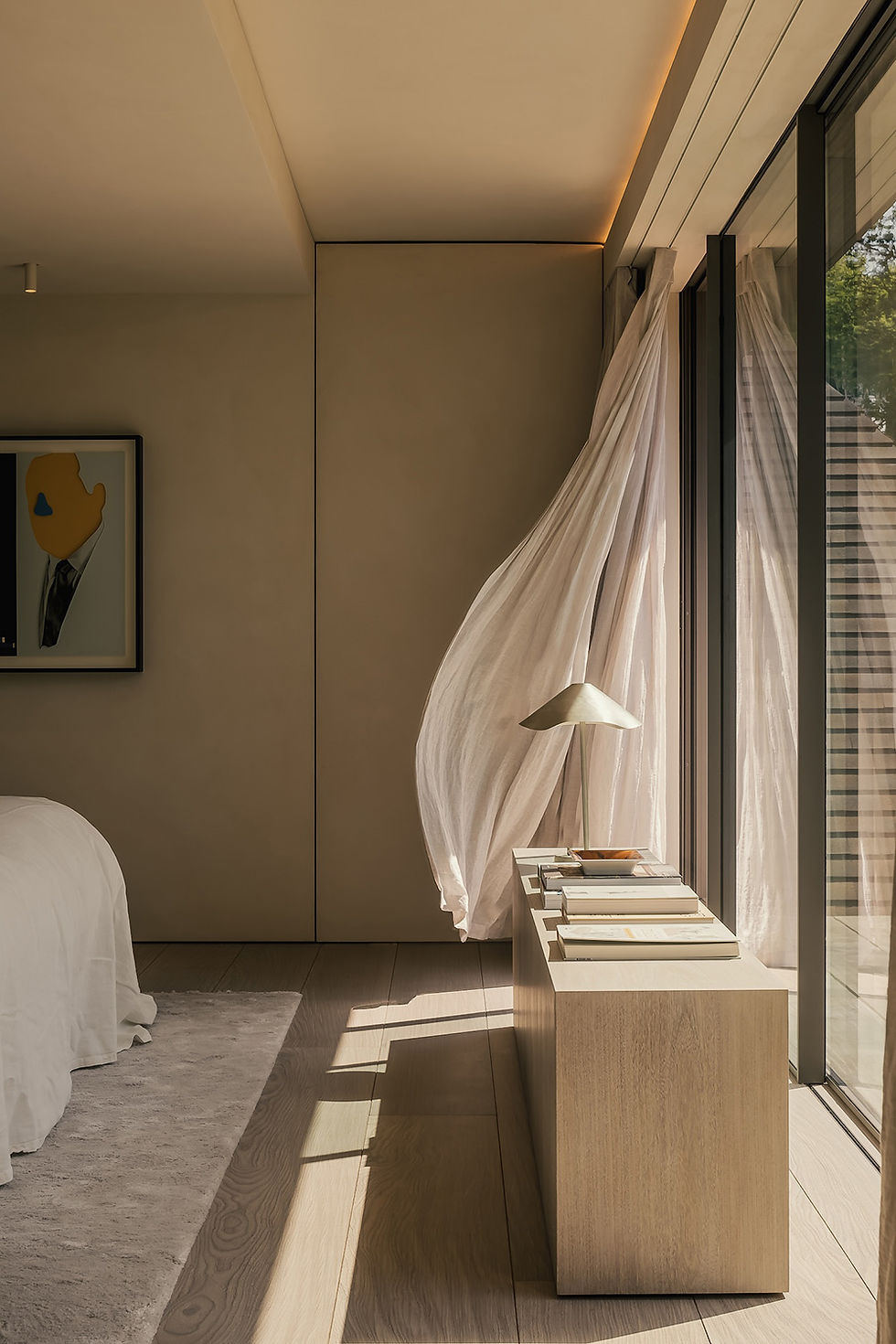
Creating Your Chill Out Zone
One of the most delightful aspects of minimalist home design is the creation of dedicated spaces for rest and reflection. Create a corner that you can retreat to—a sanctuary within your home.
Add a spacious, comfortable chair or a chaise lounge with cosy home accessories such as a cashmere throw or velvet cushions. Design this space in neutral colour tones and add plants to make this haven tranquil and soothing. A tall fiddle-leaf fig or a cascading pothos can bring life and vibrancy to the corner without disrupting the calm. This is the perfect spot to read, meditate, or simply gaze out of the window.

Living Room Inspiration: Layout and Flow
If you are looking for living room inspiration, think about how you want the space to feel. In a pure and simple interior, the layout should encourage ease of movement and conversation.
Choose a sofa with clean, straight lines and a low profile. Avoid bulky, overstuffed pieces. Arrange seating so that it faces the room's focal point—whether that is a fireplace, a window, or a piece of art. Keep side tables minimal and functional. A simple tray on the coffee table can hold the remote control and a few magazines, keeping the surface tidy.
If you need apartment inspiration, remember that smaller spaces benefit immensely from this approach. Using light colours, streamlined furniture, and clever storage solutions can make even a compact flat feel spacious and serene. This is why many people turn to modern interior design principles when decorating city apartments—they maximise space and minimise stress.


Lighting: The Art of Illumination
Lighting is one of the most powerful tools in any interior designer's arsenal, and it is especially important in a pure and simple interior. Use several types of lighting in order to create various levels of illumination, from mood lighting to full brightness.
Pendant lamps are a common choice for overhead lighting. Choose designs with clean, geometric shapes—a simple globe, a sculptural cone, or a minimalist linear fixture. These act as both a light source and a piece of art in their own right.
Floor lamps are excellent for creating ambient or task lighting. A simple arc lamp over a reading chair or a tripod lamp beside the sofa adds both function and visual interest.
Candles may also be used for tabletop settings, adding a warm, flickering glow that fosters a sense of peace and intimacy. Windows are frequently left bare to allow maximum natural light to flood the room. However, if privacy or light control is needed, light fabrics like linen are the preferable choice. Sheer curtains diffuse harsh sunlight, creating a soft, ethereal atmosphere.


Warm Accents and Personal Touches
Minimalism is so important to a pure and simple design, but that doesn't mean the space should feel cold or impersonal. The few accents that are used should be functional ones that also bring warmth and texture.
Pillows with geometric patterns or abstract designs will add comfort as well as subtle colour and texture. These small touches are essential for modern organic interiors, softening the clean lines and adding a sense of lived-in comfort.
Warm textiles like sheepskins, wool, mohair, or soft cotton throws add a feeling of warmth and cosiness as well as another layer of texture. Drape a chunky knit throw over the arm of a sofa or place a sheepskin rug at the foot of the bed for an instant injection of luxury.
Ceramic vases can also add colour and texture and serve as a holding place for fresh flowers. A single stem of eucalyptus or a few branches of blossoming cherry can bring life and a subtle scent to the space. These small, curated objects tell a story and add personality to your simple interiors.

Earthy Interiors: Bringing the Outside In
The trend towards earthy interiors has seen a surge in popularity as we all seek to reconnect with nature. In a pure and simple home, this translates to the use of natural materials, organic shapes, and a colour palette drawn from the landscape.
Think of the soft browns of tree bark, the muted greens of moss, the warm ochre of clay. These hues work harmoniously with the neutral base, adding depth and richness. Incorporating raw materials like jute, sisal, and unpolished stone further enhances this connection to the earth.


Why This Style Endures
Achievable for almost any budget, the pure and simple style has a timeless quality to it that is worth considering bringing into your own decor, especially if you don't want to have to change it up often. Unlike trendy, fast-fashion interiors that date quickly, this approach is built to last.
Focused around warm functionality, flawless craftsmanship, clean lines, and an understated elegance, there are a lot of reasons to embrace a pure and simple interior for your home. It offers a respite from the noise of modern life, a place where you can truly relax and be yourself. It is an investment in your well-being, creating a home that not only looks beautiful but feels beautiful too.
Whether you are looking for apartment inspiration for a city flat or living room inspiration for a family home, the principles of pure and simple design can be adapted to suit any space. Start small. Clear one surface. Choose one neutral colour. Add one natural texture. You will be amazed at how these small changes can transform your home and your mindset.


Comments